
The Freelance Cash-Flow Gap: Fix It Before It Hits
Learn why freelancers feel busy but broke—and the systems that speed up payments with better terms, milestones, reminders, and documentation.
1) Why “Busy but Broke” Happens (and Why It’s Usually Accounts Receivable)

You can have a full calendar and still feel behind on bills when your cash-flow is trapped in accounts-receivable. For many freelancers, the real issue isn’t income—it’s timing. Client approvals stall, invoices get buried in inboxes, and “net 30” quietly becomes net 45. Meanwhile, your expenses (software, travel, taxes) are due on fixed dates, so the gap shows up as stress, not a line item.
The second leak is invisible scope creep. A quick “one more revision” or extra meeting can push delivery later, which pushes invoicing later, which pushes payment even later. If your freelance-invoicing process depends on memory—sending invoices after you wrap everything up—your cash position will always lag behind your workload.
The fix starts with client-management that treats billing as part of delivery: define payment triggers, document approvals, and build a consistent invoicing rhythm. Tools like FreelanceLedger Pro help by tracking sent/paid/overdue status and keeping your ledger organized, but the core win is a system that makes getting paid as routine as doing the work.
2) Shorten the Payment Cycle with Clear Terms, Milestones, and Gentle Automation
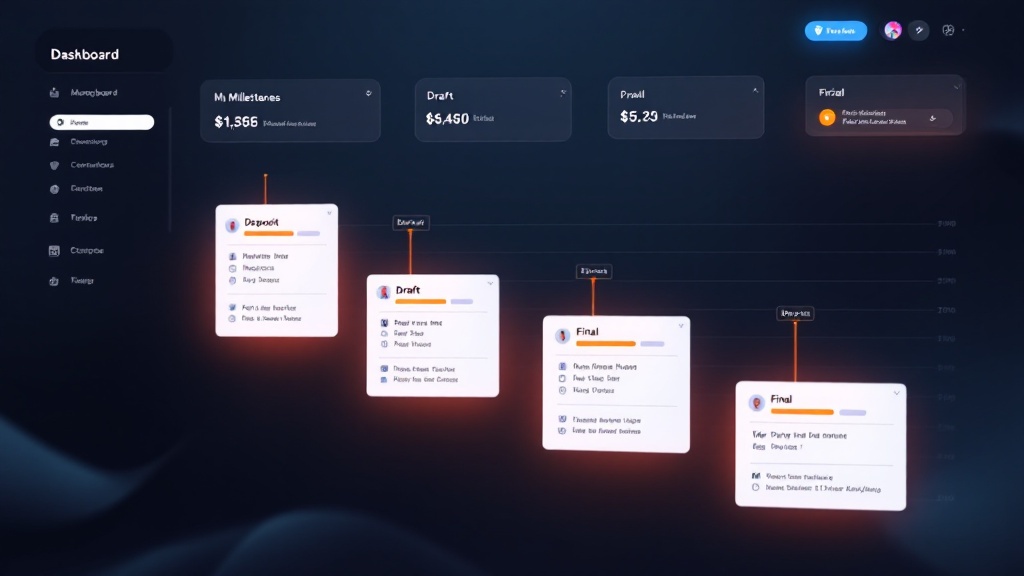
To close the cash-flow gap, make payment timing explicit and predictable. Start every engagement with written terms that protect both sides: due date (not just “net 30”), late fees (even if you waive them), accepted payment methods, and what counts as “delivered.” This reduces ambiguity, speeds approvals, and keeps accounts-receivable from turning into uncomfortable back-and-forth.
Next, redesign your billing around milestones. Instead of one large invoice at the end, use a deposit plus milestone invoices tied to tangible checkpoints (kickoff, first draft, final delivery). This approach improves cash-flow, limits exposure if a project pauses, and makes freelance-invoicing feel proportional to progress. It also helps clients budget, which reduces delays caused by internal approvals.
Finally, automate reminders in a way that preserves relationships. Use a simple cadence: a friendly nudge a few days before due, a same-day reminder, then escalating but professional follow-ups at 7 and 14 days. Systems like FreelanceLedger Pro can schedule overdue notices and keep invoice history in one place—supporting better client-management without you sounding reactive or resentful.
3) Make Disputes and Taxes Non-Issues with Documentation and a Clean Ledger
Late payments often hide a dispute: “We never approved that,” “Can you resend the invoice?”, or “Finance needs backup.” The fastest way to protect your cash-flow is dispute-proof documentation. Attach scope summaries, approval emails, timesheets or deliverable links, and a clear description of what the invoice covers. When someone questions a charge, you can respond with calm, specific proof—reducing days of delay in accounts-receivable.
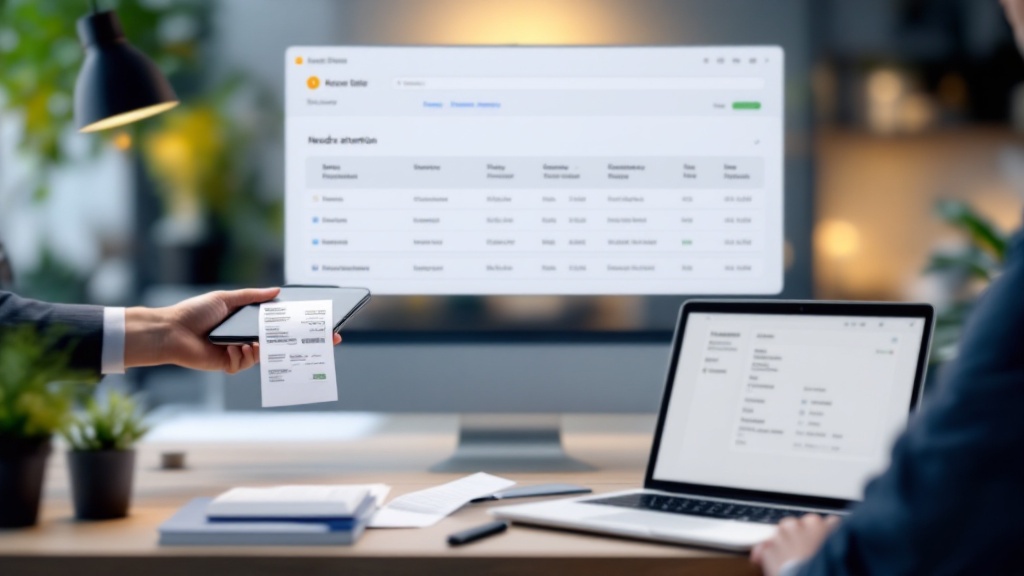
Just as important: keep expenses and receipts organized while the work is happening, not months later. Mixed personal/business spending and missing receipts create uncertainty that slows reimbursement conversations and makes tax time chaotic. A lightweight workflow—snap receipts, forward hotel emails, capture key fields, and flag anything unclear—keeps your records audit-ready and deductible-ready.
This is where an integrated ledger pays off. With FreelanceLedger Pro, receipts from photos and emails can be OCR-extracted, categorized, and routed to a “needs attention” queue so you confirm edge cases in seconds. The result is cleaner finance operations: faster payment resolution, easier CSV/PDF exports for tax prep, and a client experience that reflects strong client-management.